About the Project
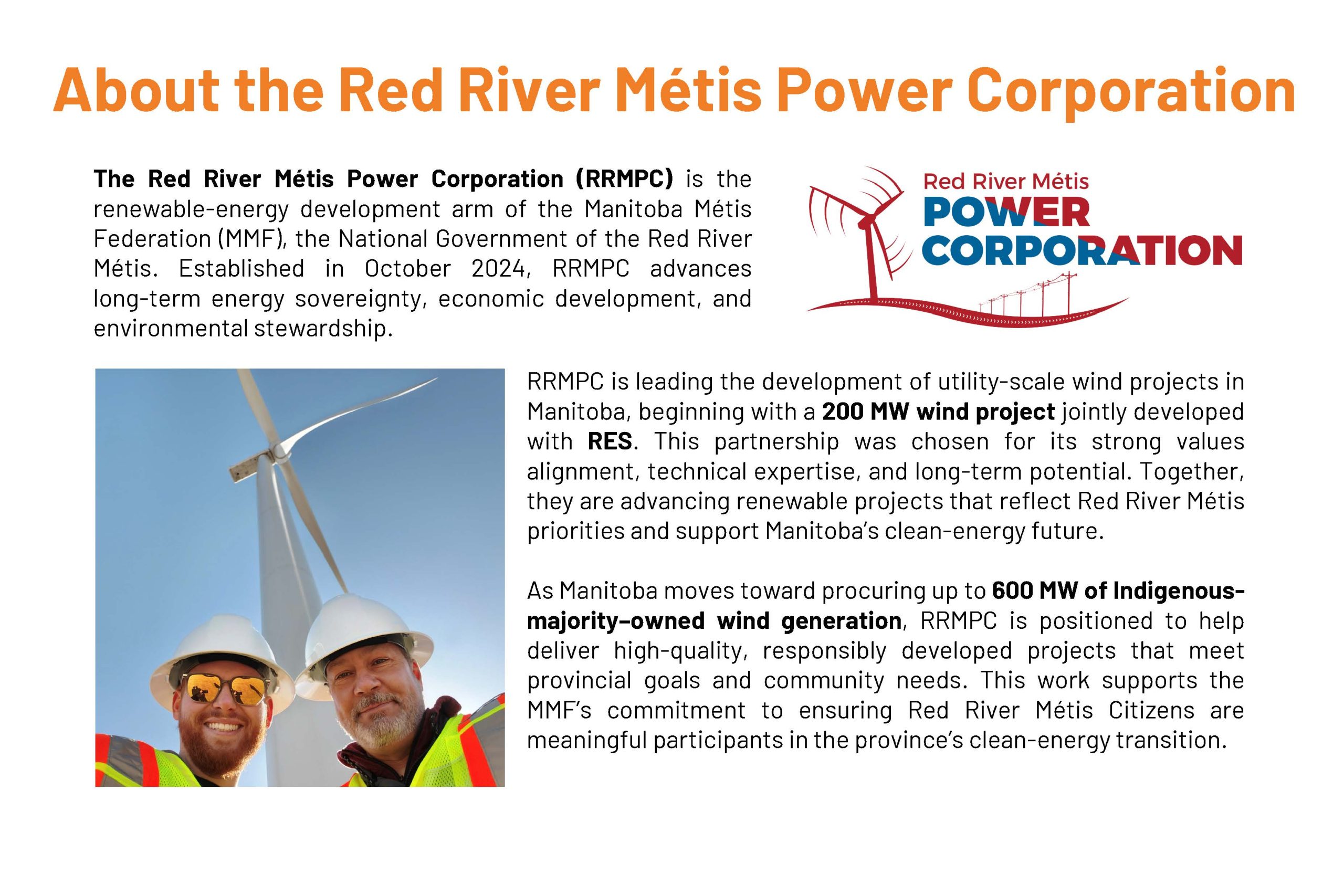
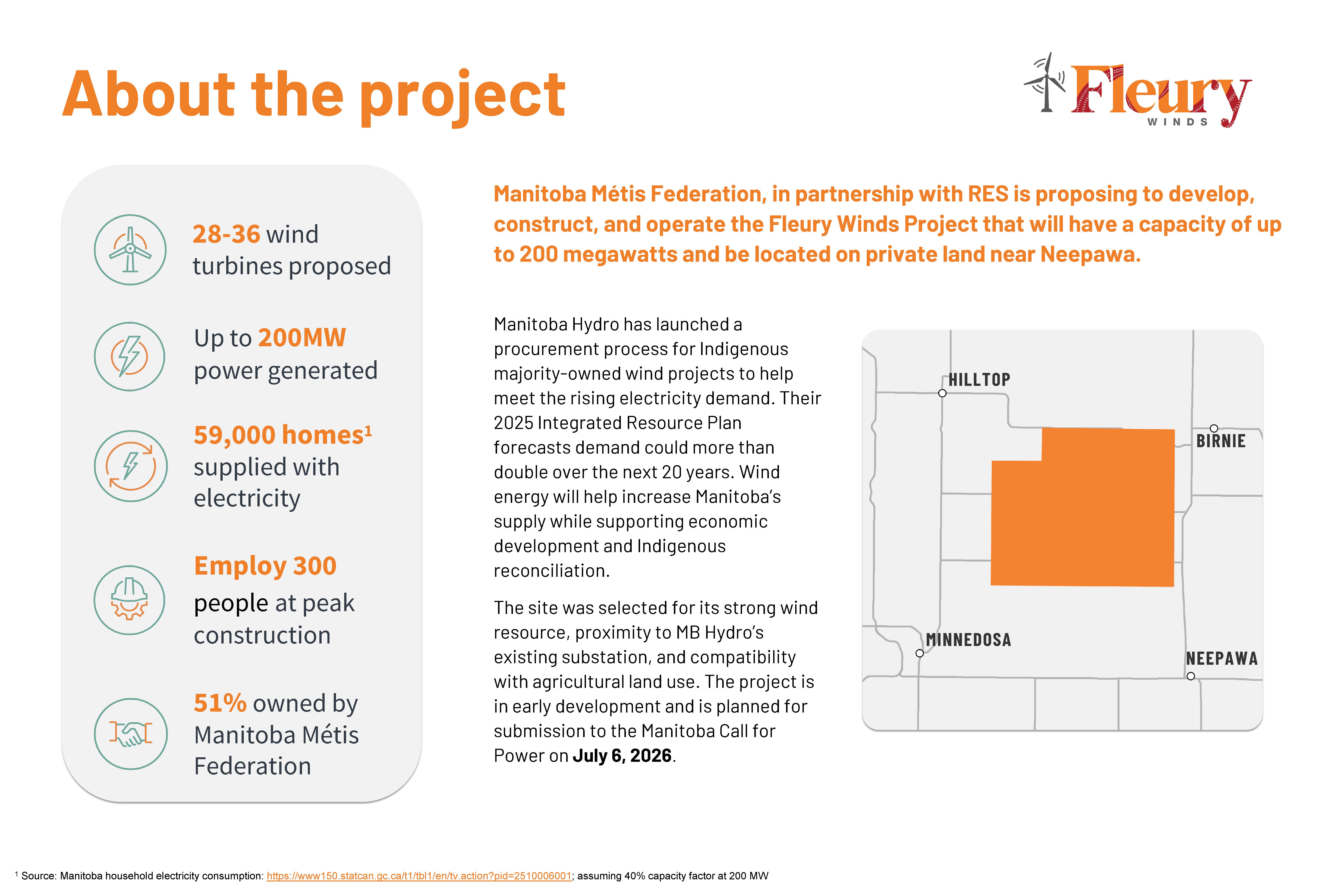
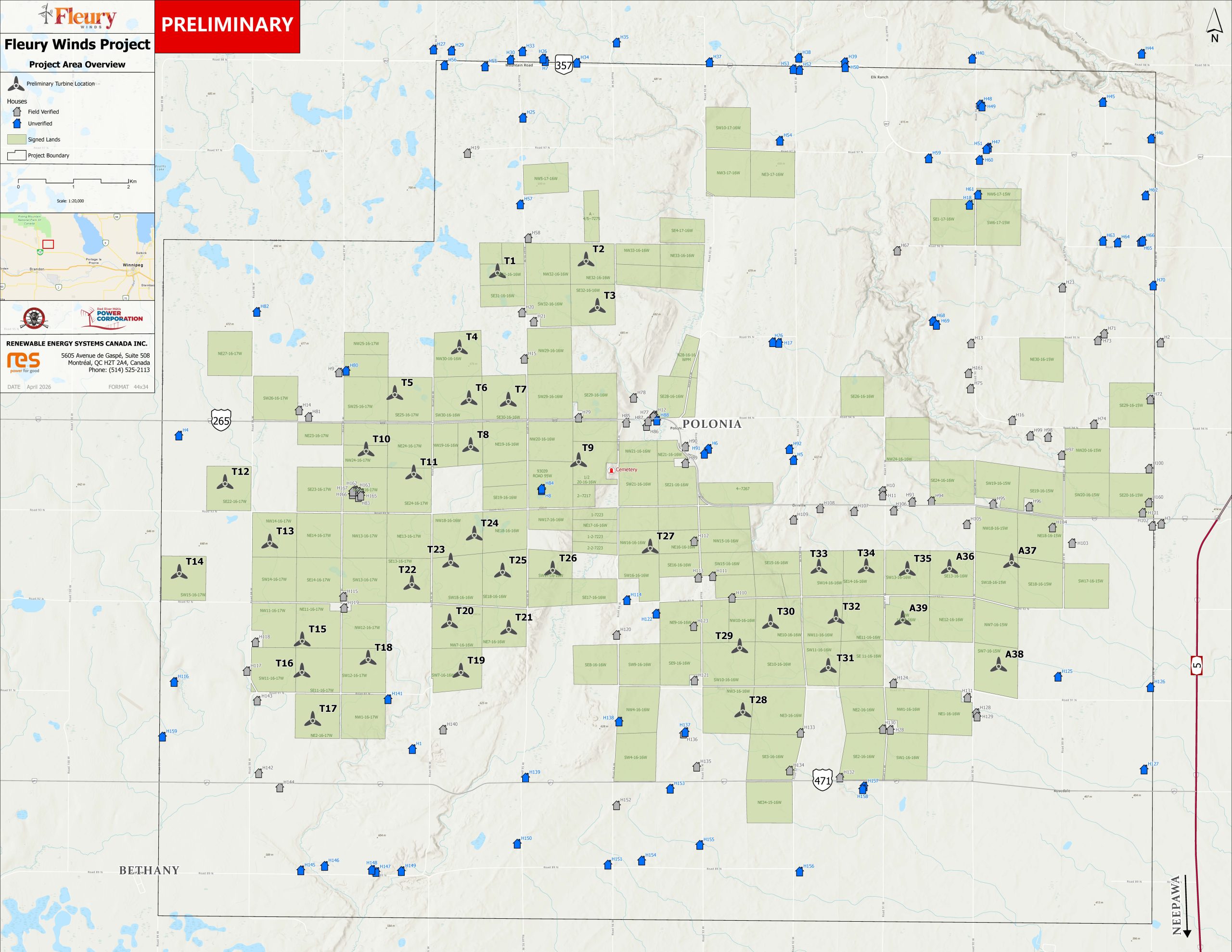
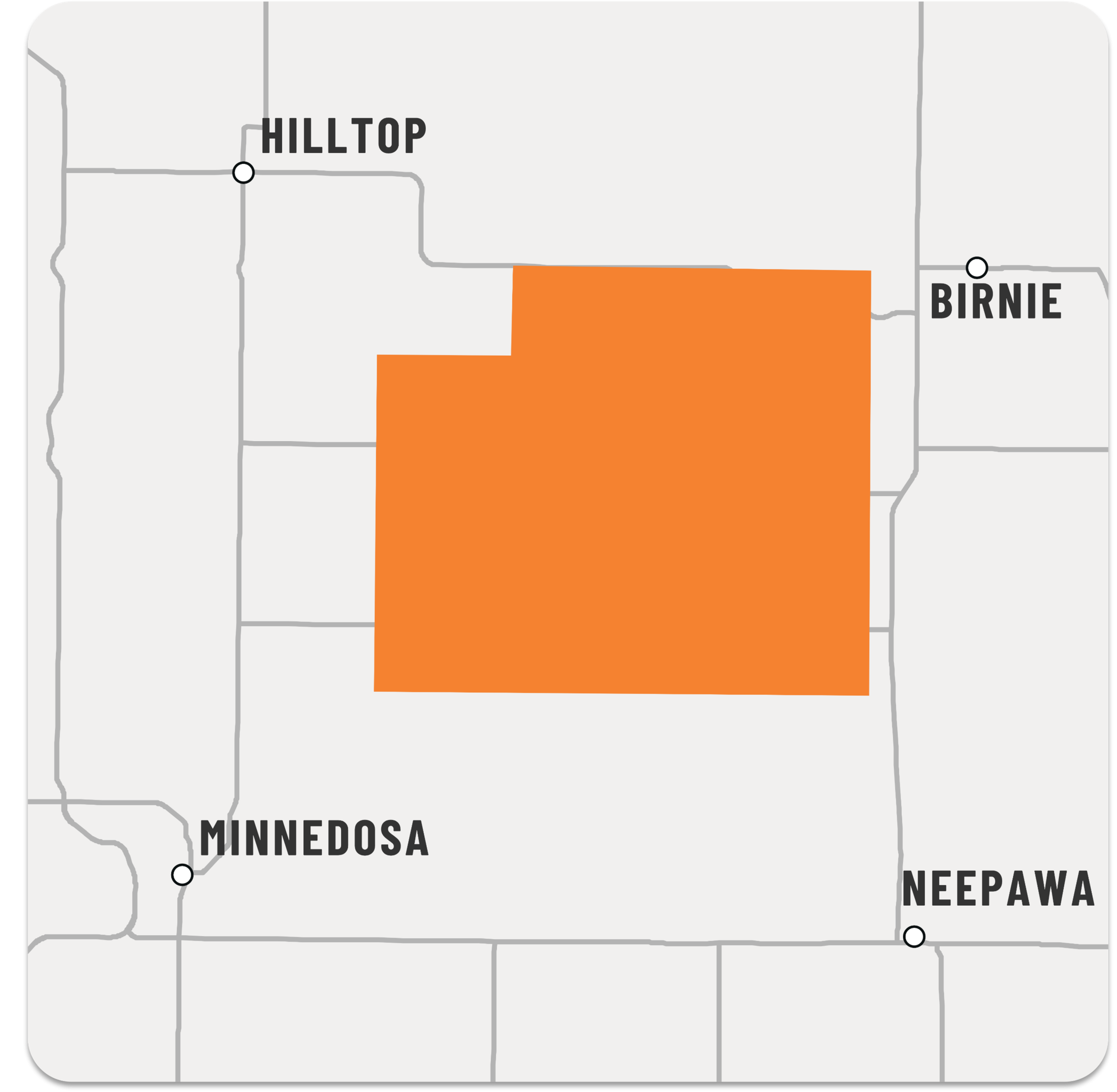
Manitoba Métis Federation, in partnership with RES is proposing to develop, construct, and operate the Fleury Winds Project that will have a capacity of up to 200 megawatts and be located on private land near Neepawa.
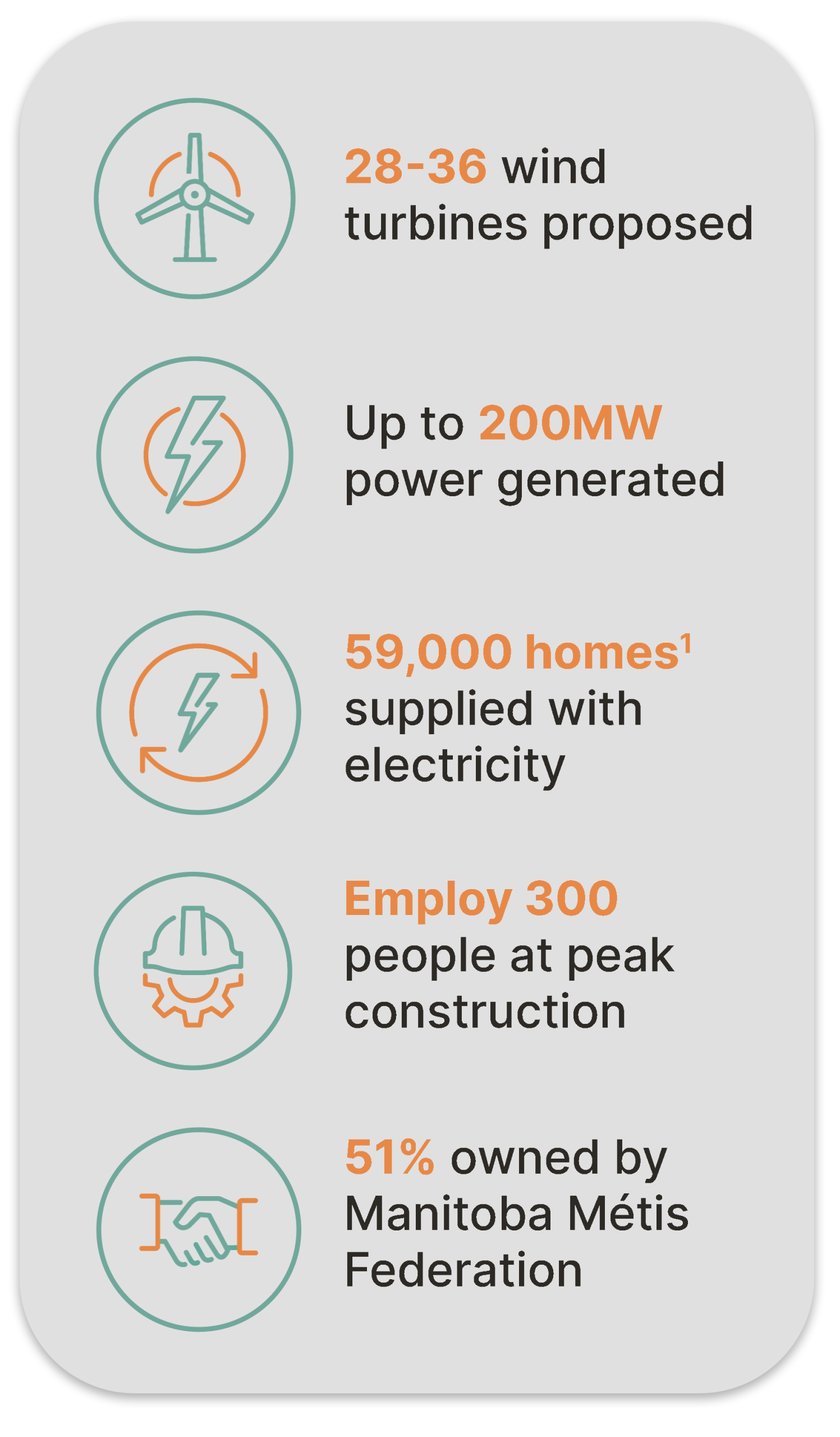
Manitoba Hydro has launched a procurement process for Indigenous majority-owned wind projects to help meet the rising electricity demand. Their 2025 Integrated Resource Plan forecasts demand could more than double over the next 20 years. Wind energy will help increase Manitoba’s supply while supporting economic development and Indigenous reconciliation.
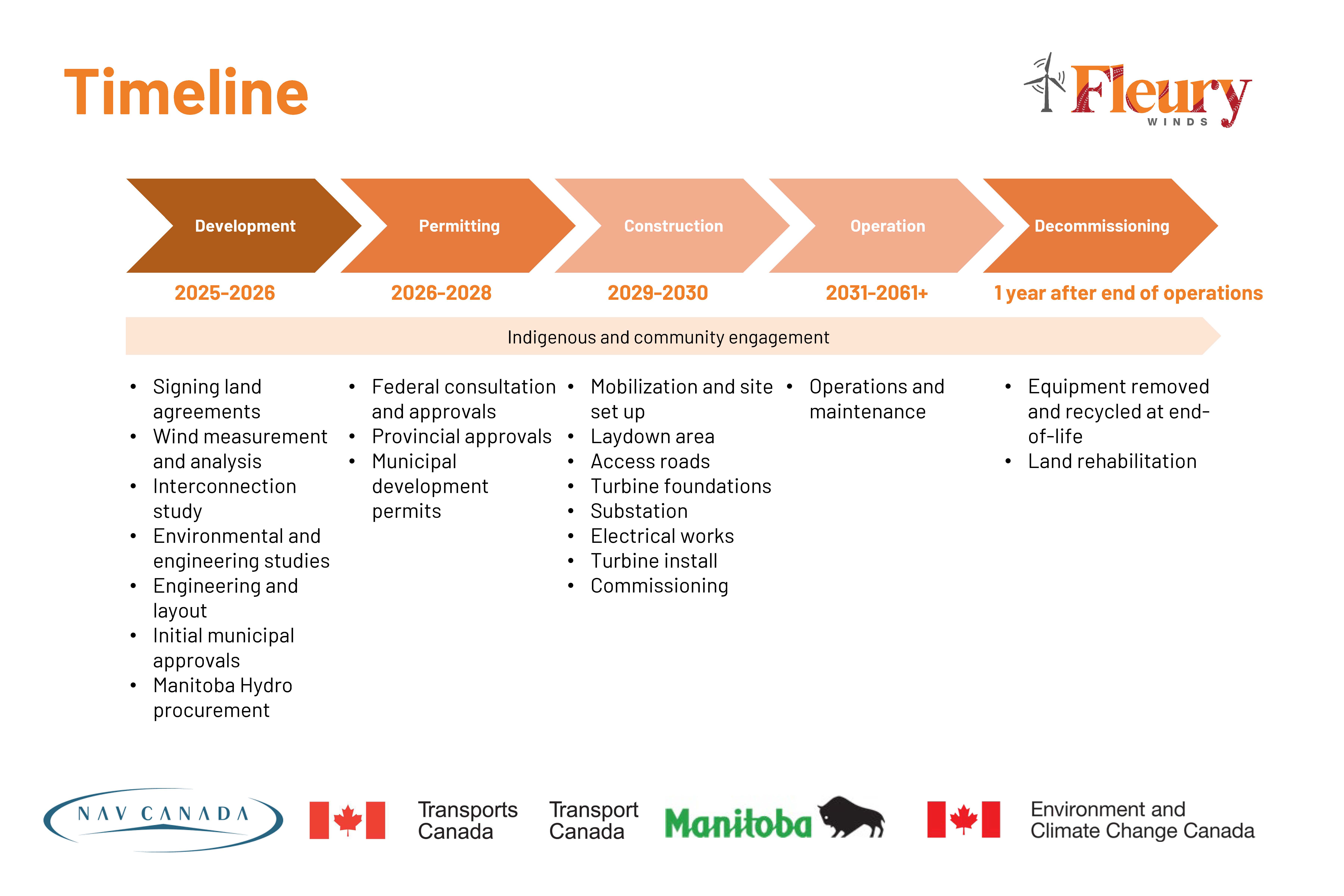
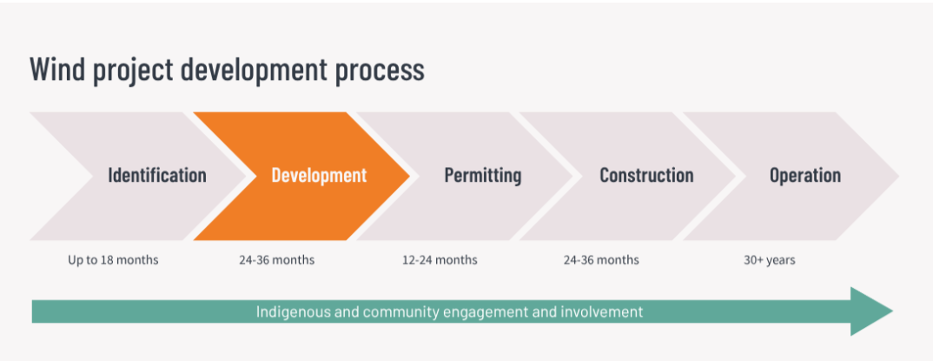
The site was selected for its strong wind resource, proximity to MB Hydro’s existing substation, and compatibility with agricultural land use. The project is in early development and is planned for submission to the Manitoba Call for Power on July 6, 2026.
How Wind Energy works:
Wind energy is a clean, renewable and increasingly important source of electricity. By harnessing the natural power of the wind, we can generate energy without greenhouse gas emissions, helping combat climate change while powering homes, businesses and communities.
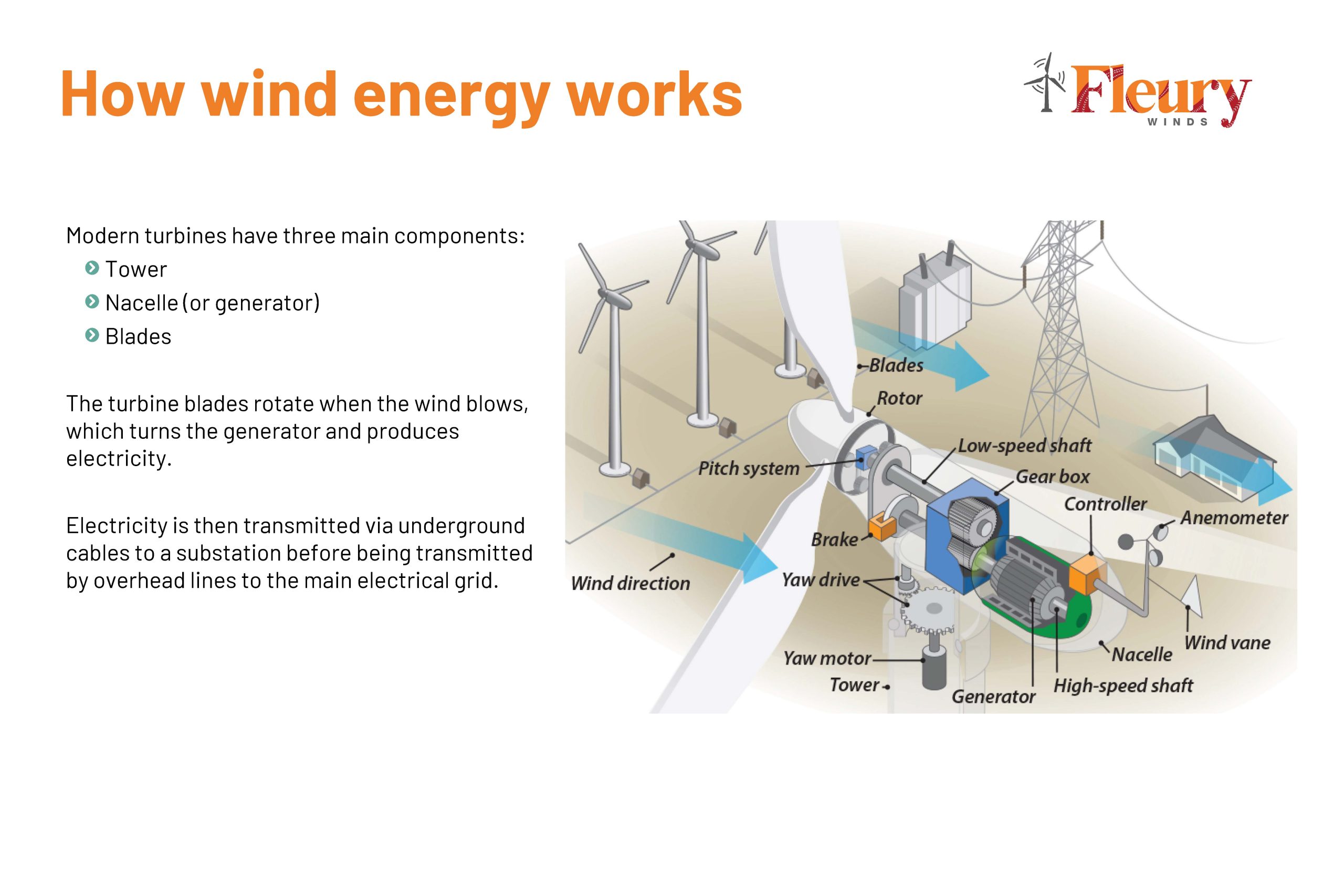
Large wind turbines use blades to capture the kinetic energy from the wind.
Capturing the Wind
Large Wind turbines use blades to capture the kinetic energy from the Wind.
Converting Energy
The rotation of the blades turns a generator inside the turbine, producing electricity.
Delivering Power
Electricity is transmitted through local or regional grids to power homes, businesses, and infrastructure.
Benefits from wind energy:
Clean and renewable
Wind energy produces no carbon emissions and relies on a natural, endless resource.
Reliable and scalable
Wind farms can provide large-scale electricity to meet growing energy demand.
Community and economic impact
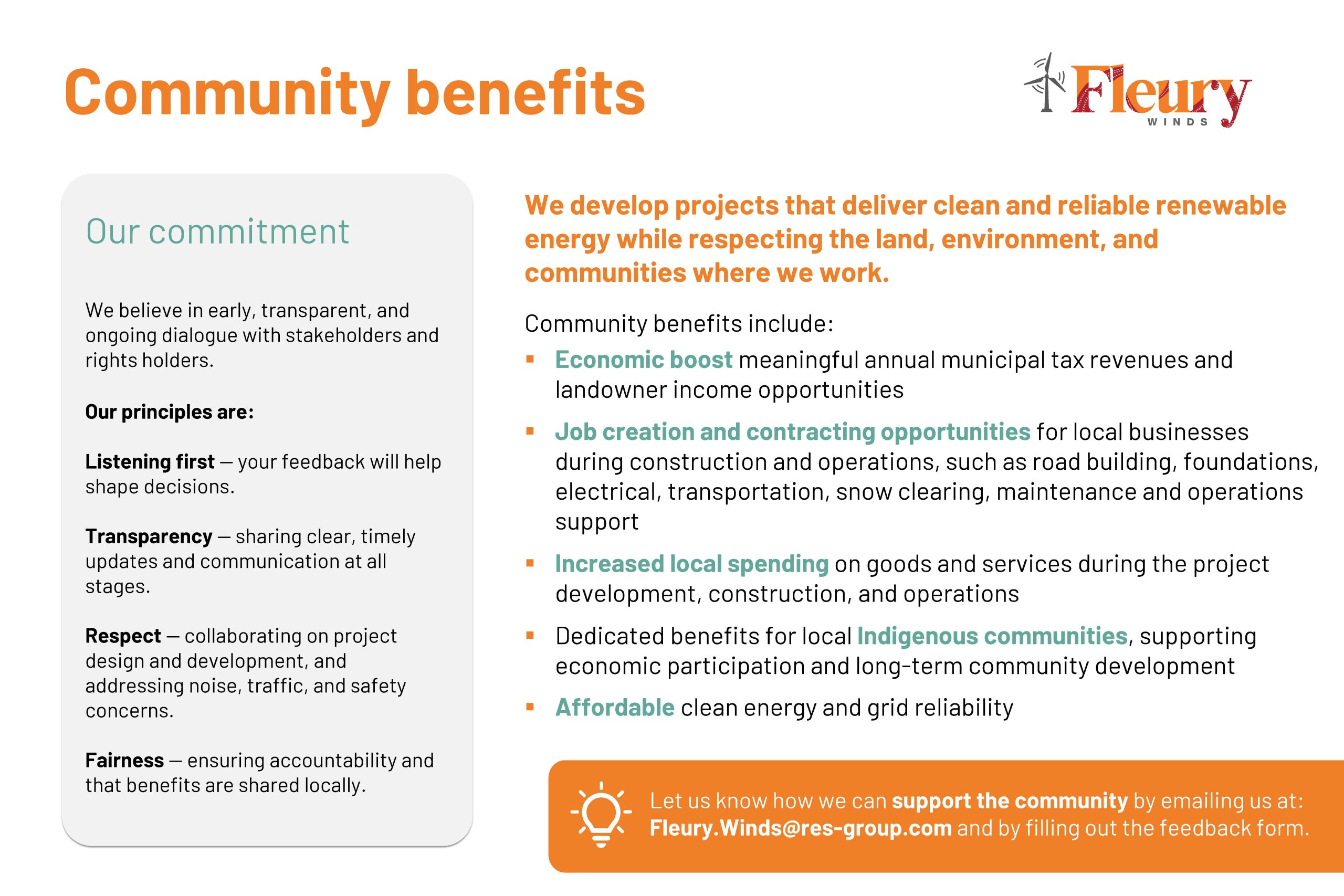
Wind projects create jobs, support local economies, and often include shared benefits with Indigenous and local communities.